
Nova Clean
After death cleaning in London
Specialist assessment, a clear scope and a quotation tailored to your property.
Specialist cleaning · London and Greater London
After death cleaning in London for unattended deaths and sensitive property situations
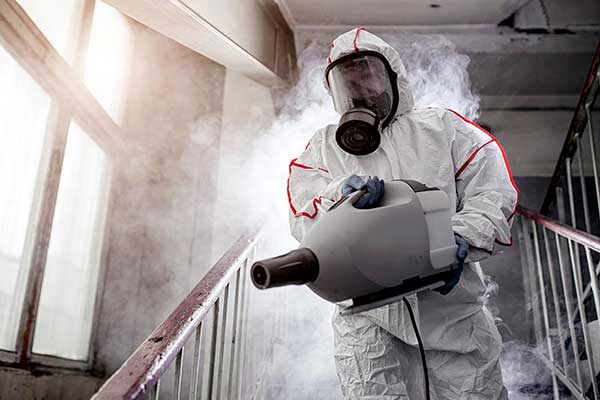
Nova Clean provides after death cleaning in London for families, executors, landlords and property managers who need practical help with a difficult property situation. We assess the affected rooms, distinguish cleaning from clearance and restoration, and prepare a scope that reflects the condition of the home. Enquiries may concern a natural death, an unattended or undiscovered death, or trauma cleaning after a suicide or violent incident. The appropriate service depends on what has happened to the property, rather than the description of the death alone.
You do not need to describe distressing personal details to make an initial enquiry. Give us the postcode, the type of property, whether access has been authorised and a brief account of the work you believe is needed. We can then discuss assessment, access arrangements and availability. Nova Clean was established in 2015 and specialises in extreme cleaning throughout England. This page explains how to arrange the London service and which decisions should be settled before work begins.
Request a discreet assessment and quotation Call 0845 52 805 20
After death cleaning matched to the condition of the home
A property following a death may need anything from a careful domestic deep clean to specialist assessment of affected materials. A natural death does not automatically mean that every room requires decontamination. Equally, a room that appears tidy may still have concealed contamination beneath a floor covering or around an item of furniture. The starting point is the condition of the space, the materials involved and any information provided by the person authorised to commission the work.
Our quotation should identify the areas to be treated, the items to be retained, any proposed removals and the limits of the cleaning service. You should be able to see which tasks concern surface cleaning, disinfection where appropriate, odour treatment, contents sorting or waste removal. Reinstatement, decorating, replacement flooring and building repairs need their own agreed scope. This distinction helps a family, landlord or executor decide what is needed now and what can be organised later.
Unattended and undiscovered death cleaning in London
When a death has remained undiscovered, the assessment needs to consider the affected furniture, floor finishes and adjoining materials, rather than relying solely on the number of bedrooms. The time before discovery is useful background, but it cannot determine the extent of the work on its own. A description of where contamination is visible and whether there are persistent odours helps us prepare for the assessment without asking you to enter or disturb the affected area.
Washable surfaces and absorbent materials require different decisions. A hard surface may be suitable for a controlled cleaning and disinfection process, while a contaminated mattress, carpet underlay or damaged board may need removal following assessment. A standard carpet or upholstery clean cannot be presented as a guarantee that a deeply affected item is recoverable. Where an item has sentimental value, identify it before the scope is agreed so that its condition and the realistic options can be discussed.
Trauma, suicide and crime scene cleaning after authorised release
We also receive enquiries about cleaning after suicide and other traumatic incidents. These situations require discretion and a clear handover from the person responsible for the property. Where police or another authority controls access, cleaning must wait until the relevant area has been released and permission to enter has been confirmed. Arranging a provisional discussion does not authorise entry or interference with the scene.
The cleaning specification should describe the affected areas without including unnecessary personal information. Tell us who may approve decisions, who will hold the keys and whether another representative should receive progress updates. If an unexpected item or area of concern is found during work, it should be addressed through the agreed contact before the scope changes. Cleaning is separate from investigation, medical decisions and the release of a property by the authorities.
A clear sequence from the first enquiry to the review of completed work
- Initial discussion: share the postcode, property layout, access status and the broad condition of the rooms.
- Assessment: identify affected surfaces, porous materials, contents to retain and any further specialist requirements.
- Written scope: agree the cleaning tasks, proposed removals, exclusions, access arrangements and quoted price.
- Planned work: carry out the agreed intervention with the property arrangements and material limitations in mind.
- Handover: review completed tasks, remaining damage and any further work needed before the intended use of the space.
This sequence gives the person commissioning the work control over important decisions. It also avoids a vague promise to return every surface to its original condition. Some staining, finishes and building materials cannot be restored by cleaning alone. Where the assessment changes the proposed work, the revised specification and cost should be agreed before additional tasks are undertaken.
Cleaning, disinfection and odour treatment have different purposes
Cleaning removes soiling and residues; disinfection is a separate treatment selected for the circumstances and the surface involved. Product suitability, the manufacturer's instructions and the condition of the material matter. Disinfection is not a promise that a room is sterile, and a pleasant smell is not evidence that underlying contamination has been addressed. The work needs to be described in terms of the actual surfaces and tasks included.
For persistent odours, the first question is where the source remains. Treating the air while leaving an affected absorbent material in place may not resolve the problem. An assessment may therefore lead to separate recommendations for removal, cleaning and further investigation of concealed areas. No treatment can reasonably be promised to remove every odour in every property before the source and extent of the problem are understood.
Belongings, important documents and decisions about clearance
After death cleaning and bereavement clearance often overlap, but the instruction to clean does not mean that all possessions may be discarded. Before work begins, identify documents, keys, photographs, jewellery and other belongings that must be retained or set aside. The authorised decision-maker should establish what may be removed and how uncertain items should be handled. Where family members have different instructions, resolve the decision process before the team arrives.
If the property also contains substantial accumulation, the work may need a staged approach. Our house clearance and decluttering service in London explains the distinction between sorting, removal and cleaning. For heavily obstructed rooms, see hoarding cleaning and a room-by-room clearance plan. These are related services with different scopes, rather than interchangeable names for the same intervention.
How much does after death cleaning in London cost?
We quote after death cleaning according to the assessed work. A fixed price based only on the number of rooms can be misleading when two properties of the same size have very different conditions. The estimate should make clear whether it covers a contained affected area, multiple rooms, sorting, removal of absorbent materials or additional visits. Ask whether VAT and any disposal or access charges are included in the figure you receive.
| Factor | What it changes |
|---|---|
| Extent of affected surfaces | The rooms, furniture and materials included in the assessment and treatment. |
| Porous materials and concealed areas | Whether cleaning is appropriate or separate removal and reinstatement need pricing. |
| Contents to sort or retain | The time needed for agreed decisions, protection and clearance. |
| Waste arrangements | The nature, quantity and appropriate removal route for the agreed materials. |
| London access and programme | Stairs, lift bookings, parking, loading restrictions and the sequence of visits. |
To compare quotations, compare the specifications as well as the totals. A lower figure may exclude clearance, contaminated underlay, follow-up treatment or making good. Conversely, a property with limited affected surfaces may not require the extensive works described in a general package. The useful question is which tasks your property needs, which outcome is realistic and which remaining work will sit outside the cleaning contract.
Arrangements for waste, insurance and property records
Agree how removed materials will be classified and handled, and what documentation is applicable to that waste stream. A routine household clearance and a specialist removal are not necessarily subject to the same arrangements. Ask who is responsible for collection and which records can be provided. The quotation should make those responsibilities understandable without relying on unsupported claims about accreditations or universal certificates.
If you intend to make an insurance claim, contact the insurer about authorisation and the evidence it requires before commissioning chargeable work. Coverage depends on the policy and circumstances. We cannot promise that an insurer will pay for cleaning or restoration. Ask what written scope, invoice and completion information can be supplied for your file, and tell us if a loss adjuster or property representative needs to be involved in agreeing the work.
Planning access to a London flat, house or managed building
We discuss after death cleaning throughout Greater London, including central flats, suburban houses and managed residential buildings. Share the postcode and the practical details of entry: the floor level, lift availability, key collection, parking and any loading restrictions. If common corridors or a concierge service are involved, explain the building's arrangements so that access and the movement of agreed materials can be planned discreetly.
One nominated contact can reduce repeated explanations and conflicting instructions. You do not necessarily need to remain at the property throughout the work if access, authority and the review arrangements have been settled in advance. Availability and the sequence of visits depend on the actual intervention; contact us to discuss your preferred dates rather than assuming a guaranteed immediate attendance time.
Questions families, executors and landlords ask before booking
Does every home need specialist cleaning after a natural death?
No. The appropriate work depends on the condition of the property and the affected materials. Some homes need ordinary domestic cleaning or a bereavement clearance; others require specialist assessment. Explain the situation and the visible condition so that an appropriate scope can be discussed.
Can cleaning begin while police still control the property?
No work should interfere with an area that has not been released for access. Confirm permission and the authorised point of contact before arranging entry. A cleaning appointment cannot replace that authorisation.
Do I have to send distressing photographs?
No. Start with a brief description and the postcode. Existing photographs of the property may help if you are comfortable sharing them, but do not disturb the affected area to obtain images. We can discuss how the assessment should proceed from the information available.
Can contaminated carpets and furniture always be saved?
No. Recoverability depends on the material, the extent of contamination and access to the affected layers. Removal may be more appropriate than surface treatment for some absorbent items. Decisions should be explained and approved rather than included in a blanket restoration promise.
Will the cleaning include redecorating or new flooring?
Only where a separate, explicit scope has been agreed. Cleaning, removal and reinstatement are different operations. The handover should identify remaining damage and further work needed, so that the property owner can organise the next stage.
Can a landlord or executor organise the service for someone else?
Yes, enquiries can be made by the person authorised to commission the work or their appointed representative. Confirm who may approve the quotation, give instructions about possessions and receive the completion information before work is booked.
Discuss the next step with Nova Clean
Contact us with the London postcode, the type of accommodation and the access arrangements. We will discuss the assessment and prepare a quotation around the work required. For the company's background, read about Nova Clean and its extreme cleaning activity since 2015. For an unaffected property that needs an ordinary thorough clean, see house and flat deep cleaning.